Knockdown Stitch Background Embroidery
A Designer’s First Look: Clean, Functional, and Surprisingly Versatile
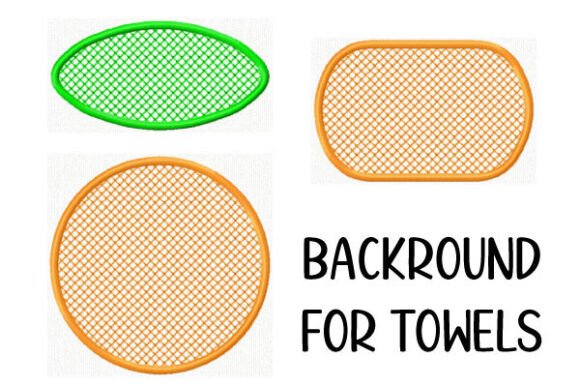
As someone who’s digitized over 200 boutique apparel collections—and spent more hours than I’d like to admit troubleshooting puckering on fleece hoodies—I opened Knockdown Stitch Background Embroidery with quiet optimism. Not hype. Not hope. Just the kind of grounded curiosity you bring to a new stabilizing tool. Visually, it’s minimalist but intentional: three shapes—circle, oval, rectangle—each built with dense, low-profile satin and fill stitches that read as “quiet confidence,” not “busy filler.” It doesn’t shout. It settles. The stitch density feels engineered—not decorative first, but functional first—which is exactly what high-pile fabrics demand. It leans classic with a modern utility edge: no florals, no glitter effects, no trendy gradients. Just clean geometry designed to flatten, frame, and elevate.
Why Sweatshirt & Hoodie Projects Benefit Most
Knockdown Stitch Background Embroidery solves a real pain point: when your main design—say, a delicate script logo or fine-lined botanical motif—sinks into the nap of a heavyweight sweatshirt and vanishes. This background set doesn’t just sit *under* your motif—it actively compresses the pile *before* your top design stitches, giving every line, curve, and tiny serif room to breathe. On neutral heather gray sweatshirts? It adds subtle dimension without competing. On soft pastel hoodies? It grounds light thread colors so they don’t float or blur. And on dark apparel—charcoal, navy, black—it creates a crisp, tonal contrast zone that makes white or metallic topstitching pop with authority.
Smart Placement Across Apparel Types
- Hoodie chest placement: Use the oval or small circle to anchor a monogram or mini icon—keeps stitching flat even after repeated washes and stretching at the bustline.
- Sleeve accents: The rectangle works beautifully scaled down for subtle branding on cuff hems—low stitch count, high recognition.
- Back designs: Layer the large circle behind a central phrase or crest; the knockdown effect prevents distortion across curved shoulder seams.
- T-shirt embroidery: Even on midweight cotton, it adds polish to pocket placements—especially with textured slub or organic weaves.
- Denim jackets & tote bags: Offers consistent coverage on uneven surfaces where stabilizer alone can’t fully control movement.
- Cozy seasonal layers: Performs reliably on sherpa-lined hoods, brushed-back fleece, and terry-cotton blends—fabrics that typically eat fine detail alive.
Where Visual Consistency Meets Brand Trust
For a boutique brand or Etsy seller, consistency isn’t just about matching fonts—it’s about how your embroidery holds up in lifestyle product photos, printable mockups, and unboxing videos. Knockdown Stitch Background Embroidery delivers repeatable clarity across garment types, which directly builds buyer trust. When customers see sharp, uniform stitching on your Instagram grid—even across different fabric bases—they subconsciously register professionalism. That perception translates to perceived value: a $68 hoodie with clean, lifted embroidery reads as intentional craftsmanship, not a rushed production shortcut. It also strengthens visual identity. Use the same shape + thread combo across your collection (e.g., matte charcoal rectangle behind all chest logos), and your brand becomes instantly recognizable—even without a visible label.
Practical Notes Every Embroidery Designer Should Check
This isn’t a “drop-in-and-stitch” file—it’s a precision tool. Before committing to a full run:
- Test on scrap fabric cut from the *exact* garment batch—pile height varies even within the same dye lot.
- Confirm your stabilizer choice: medium-weight cutaway works best for heavy knits; tear-away may shift under dense knockdown layers.
- Review thread color contrast carefully—matching the background to your base fabric hides stitching; contrasting thread highlights its structural role.
- Verify hoop size compatibility: the rectangle may require a larger hoop than your standard chest-placement setup.
- Inspect stitch density in your editing software—don’t assume it’s optimized for your machine’s speed or tension profile.
- Test on similar garment fabric *before* hooping finished pieces—especially for stretchy ribbed cuffs or curved yokes.
- Compare placement options: center vs. left-chest vs. sleeve—knockdown shapes behave differently on grain lines and stretch zones.
- Always check Creative Fabrica product details and licensing terms before producing commercial embroidery products—this applies to all digital embroidery files used in handmade product sales.
Final Thoughts for the Boutique Maker
Knockdown Stitch Background Embroidery won’t replace thoughtful digitizing—but it does remove one layer of unpredictability from textured fabric workflows. It’s especially valuable if you’re launching a small shop, scaling custom apparel orders, or refining your Etsy listings with higher-quality lifestyle imagery. It supports a cleaner aesthetic, reduces rework, and quietly elevates how your finished product photographs and wears. For designers building a signature look—whether minimalist, rustic, or elevated casual—it’s less about adding decoration and more about removing interference. That’s rare. And useful. Whether you're stitching for a cozy capsule collection or prepping holiday merch for your small shop product line, this Backgrounds set earns its place in your Creative Fabrica embroidery library—not as flair, but as foundation.