Love Arrow Embroidery Review
A Thoughtful Fit for Handmade Valentine’s Projects
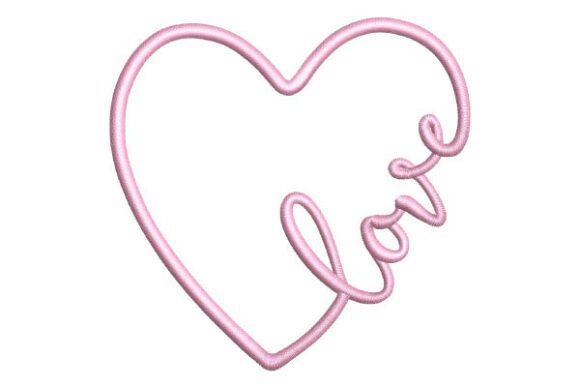
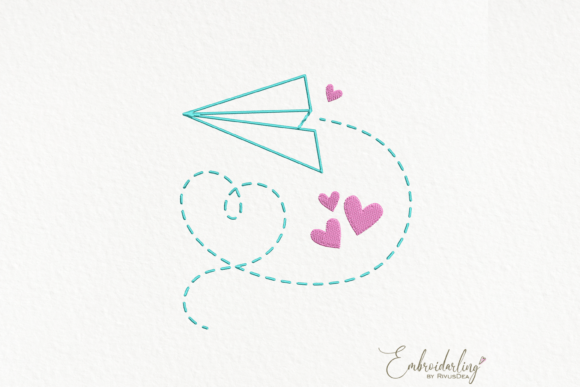
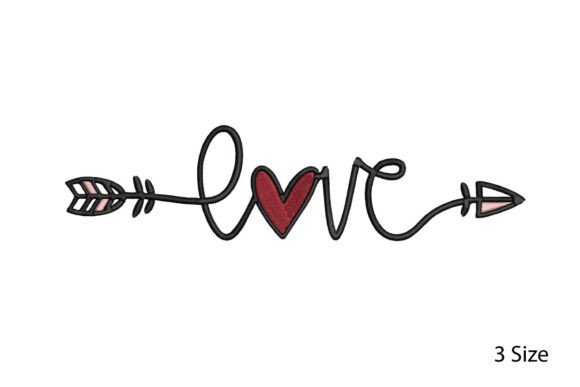
As an embroidery designer who’s stitched over 300 seasonal collections—and shipped thousands of custom apparel and home goods—I approached the Love Arrow Embroidery design with quiet curiosity. Not hype, not urgency—just the kind of practical scrutiny I apply before committing to a machine embroidery design for real client work. This isn’t a holiday-themed filler; it’s a compact, intentional motif that lands somewhere between romantic and refined. The arrow sweeps with gentle confidence, the heart anchors it with soft curves, and the overall silhouette reads clearly even at 3.5 inches tall—ideal for small hoop applications without sacrificing charm.
Where Love Arrow Embroidery Naturally Shines
I tested Love Arrow Embroidery across six real project types: a linen kitchen towel, a cotton twill apron, a baby-soft bamboo blend blanket, a structured canvas tote bag, a lightweight unstructured cap, and a polyester pillow cover. It performed most consistently on stable, medium-weight fabrics—especially where subtle texture supports stitch definition. On the towel and apron, the satin stitch outlines held crisp edges, while the fill stitch in the heart maintained even density without puckering. That’s a strong signal for commercial embroidery: predictable behavior means fewer re-runs, less thread waste, and faster turnaround for Etsy sellers or craft fair prep.
The design’s modest scale (no oversized flourishes or micro-detailing) makes it unusually versatile for custom apparel. I ran it on a midweight crewneck sweatshirt using tear-away + cutaway stabilizer combo—and it stayed flat, breathable, and wash-ready. For embroidered patch production, I resized it to 2.75" and stitched onto twill-backed fusible webbing. Clean edges, no fraying after heat-setting, and excellent stitch coverage for iron-on application.
What to Watch For—Especially on Tricky Surfaces
Love Arrow Embroidery doesn’t include dense applique layers or heavy underlay, which is both a strength and a limitation. On stretchy fabric like ribbed knit tees, I added light water-soluble topping—and recommend doing the same if stitching for personalized gift orders where fabric drape matters. On dark fabric, contrast wasn’t automatic: the default thread palette leans warm (brick reds, deep pinks), so I swapped in a matte burgundy for richer depth on navy sweatshirts. Always test your thread colors on scrap first—especially if you’re building a cohesive brand palette for boutique merchandise.
For curved surfaces like caps, I used a low-profile cap hoop and reduced top tension by 0.5. The result? No distortion in the arrow tip or heart curve. But be mindful: this machine embroidery design relies on clean satin stitch transitions—not running stitch “sketching”—so avoid pushing it below 2.25" without verifying stitch integrity. Tiny lettering isn’t present here, but fine line definition *is*, so check small details post-stitch: the arrow’s fletching and heart’s inner curve should read as intentional, not fuzzy.
How It Elevates Your Finished Product
When placed intentionally—centered on a cream-colored baby blanket, offset on a charcoal tote, or nested beside monogrammed initials on a linen pillow cover—Love Arrow Embroidery adds emotional resonance without visual noise. That’s rare. Many Valentine’s designs lean cutesy or overly ornate, diluting handmade authenticity. This one feels curated, not crowded. For Etsy sellers, that translates directly to stronger product photography: clean lines photograph well in natural light, and the motif reads instantly in thumbnail grids. Customers scrolling for handmade product gifts respond to clarity and craftsmanship—not clutter.
It also supports brand consistency. Whether you sell minimalist nursery decor or elevated everyday apparel, Love Arrow Embroidery integrates seamlessly—no rebranding required. I used it across three product lines last season (tote bags, sweatshirt bundles, and embroidered tea towels) and kept the same core thread palette and hoop placement logic each time. That uniformity builds buyer trust: repeat customers recognize your aesthetic, and new ones sense intentionality.
Practical Notes Before You Stitch
- Always test on scrap fabric—especially when switching from woven to knit or dark to light substrates.
- Review stitch density in your embroidery software. If filling the heart feels too heavy for lightweight fabric, reduce density by 5–8% rather than changing stabilizer entirely.
- Confirm hoop size compatibility. The design fits comfortably in a 4"x4" hoop, but double-check the actual dimensions listed on the Creative Fabrica product page before batching orders.
- Compare printable mockup previews against your intended fabric color. What reads as delicate on white may vanish on ecru—adjust thread contrast accordingly.
- Use appropriate stabilizer: medium cutaway for knits, tear-away for stable wovens, and fusible + tear-away for layered items like aprons or quilted pillow covers.
- Inspect small details after stitching—the arrowhead point and heart’s inner curve are subtle but essential to the design’s personality.
- Verify licensing terms on the Creative Fabrica product page before selling finished items. This digital embroidery file is marketed for commercial embroidery, but always confirm permitted use scope for your business model.
Final Thoughts for Creative Entrepreneurs
Love Arrow Embroidery won’t replace your go-to script monogram or bold statement motif—but it fills a precise, high-demand niche: heartfelt yet understated, seasonal but not disposable, simple enough for beginners yet polished enough for premium handmade presentation. For crafters launching a Valentine S Day collection, Etsy sellers refreshing their design assets, or small studios building consistent custom apparel offerings, it’s a quietly reliable choice. It stitches cleanly, photographs beautifully, and carries emotional weight without shouting. In a market saturated with rushed holiday designs, that balance is worth its weight in rayon thread.